Common Flaws in Roadside DWI Testing Procedures
Roadside DWI testing is intended to help law enforcement identify impaired drivers, but these procedures aren’t always flawless. Breathalyzers, field sobriety tests, and observational assessments can all be influenced by human error, environmental factors, and equipment limitations.
Even minor mistakes during these tests can result in inaccurate readings, which may lead to unjust charges. Understanding the potential flaws in roadside testing is important for anyone facing a DWI charge in Texas.
At Danford Law Firm, located in Kerrville, Texas, we work with clients who have been affected by DWI testing errors. Our attorneys proudly assist clients throughout the Texas Hill Country by reviewing the circumstances of each case and helping them challenge results that may not be reliable. If you or a loved one is facing a DWI charge, contact us today to take the first step in protecting your rights.
Understanding Human Error During Field Sobriety Tests
Field sobriety tests rely heavily on officer observation, which makes them vulnerable to human error. Certain tests, such as the walk-and-turn, one-leg stand, and horizontal gaze nystagmus, require careful instruction and accurate assessment.
Any miscommunication or misinterpretation can create potentially false indications of impairment. If you have been asked to conduct a field sobriety test, some common issues that could impact the accuracy of the results include the following:
Misreading test performance: Officers may misinterpret nervousness, injuries, or balance issues unrelated to alcohol as signs of intoxication.
Improper administration: Field sobriety tests must be conducted on level ground and in safe conditions. Uneven surfaces, poor lighting, or weather conditions can often distort the results.
Stress and fatigue: Officers who are tired or managing multiple stops may unconsciously make mistakes during evaluation.
Since these tests are subjective, the risk of DWI testing errors is significant. Therefore, recognizing these limitations enables you to question the reliability of the evidence that is used against you in court.
Breathalyzer Tests: Limitations and Inaccuracies
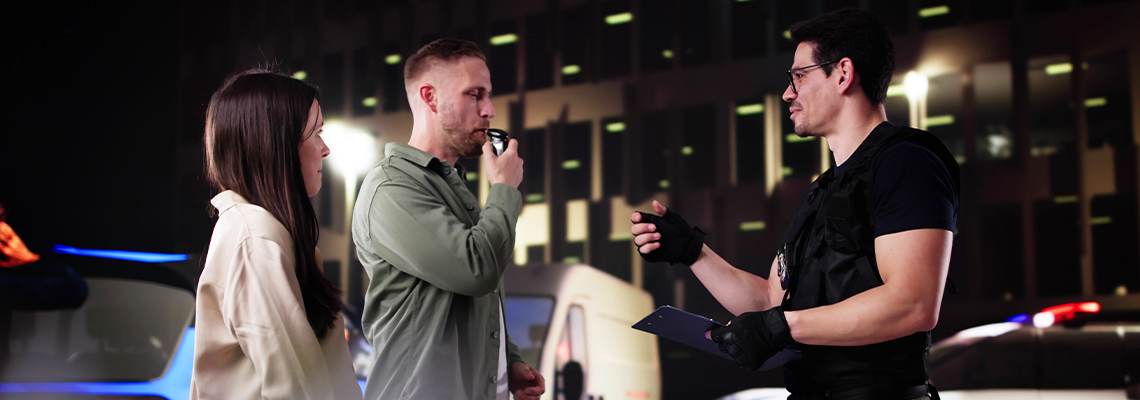
Breathalyzer devices are common tools for measuring blood alcohol content (BAC) in roadside DWI testing procedures. However, they’re far from foolproof. Improper calibration, user error, and physiological differences can all influence readings. Some key factors that can affect the accuracy of a breathalyzer test include:
Calibration issues: Breathalyzers must be regularly maintained. An uncalibrated device can produce readings that are higher or lower than the driver’s actual BAC.
Medical and physical factors: Conditions such as acid reflux, diabetes, or recent mouthwash use can sometimes alter the results.
Environmental factors: High humidity, temperature extremes, or exposure to chemicals in the air may affect the device’s accuracy.
These variables highlight how easily DWI testing errors can occur. At my firm, I can review the maintenance logs and device records from your test to determine whether the breathalyzer reading is reliable.
Observation and Reporting Errors
Police officers rely on observations when reporting suspected impairment. However, these accounts can be influenced by bias or situational factors. Statements written in reports may inadvertently exaggerate or misrepresent the driver’s condition.
Therefore, it's important to consult an experienced DWI lawyer who can help identify these inconsistencies and challenge reports that may unfairly impact a case. Some common examples of observation errors include the following:
Pre-existing conditions: Medical issues such as vertigo, arthritis, or neurological disorders may mimic signs of intoxication.
Confirmation bias: Once an officer suspects impairment, there’s a tendency to interpret ambiguous behavior as evidence supporting that suspicion.
Incomplete or rushed documentation: Observational notes are sometimes recorded quickly, leaving out details that could support the driver’s defense.
Challenging these reports is an essential step in addressing DWI testing errors and can often reveal inconsistencies that help reduce or dismiss charges. If you believe the officer made an error when observing or reporting your DWI stop, contact an attorney as soon as possible.
Timing and Procedural Errors
When the test was administered and whether the procedural requirements were followed often play a crucial role in the accuracy of the results. Even small deviations from proper procedure can cast doubt on results. Some common flaws in how the test is administered may include:
Delay in testing: Blood alcohol levels fluctuate over time. A test administered too long after the alleged driving event may not accurately reflect impairment at the time of driving.
Improper test order: Law enforcement agencies follow specific sequences for administering tests. Deviations from this order can affect results.
Lack of observation before testing: Officers must observe a driver for a set period before conducting a breath or blood test. Skipping this step may compromise the validity of the results.
By reviewing procedural compliance, my firm can help determine whether DWI testing errors occurred due to timing or improper administration. This can often provide key evidence for challenging the reliability of the test results.
How to Challenge DWI Testing Errors
Challenging roadside DWI testing errors requires you and your attorney to analyze evidence for inconsistencies, procedural missteps, or equipment malfunctions. In some cases, test results may be deemed unreliable, which can lead to reduced or dismissed charges.
It's important to carefully review every aspect of the testing process to reveal flaws that significantly affect the credibility of the evidence used against you. Some strategies you can use to address testing errors include the following:
Request calibration records: Checking the maintenance and calibration logs of breathalyzer devices can reveal inaccuracies.
Medical documentation: Demonstrating pre-existing conditions or physiological factors can explain abnormal test results.
Cross-examine officers: Questioning how tests were administered, recorded, and interpreted can highlight potential human errors.
Each of these strategies can help you defend against charges stemming from DWI testing errors, pursue fair outcomes, and protect your legal rights.
Contact an Experienced DWI Defense Attorney in Texas Today
Facing a DWI charge can be overwhelming, especially when test results may not be reliable. At Danford Law Firm, I am experienced in reviewing field sobriety tests, breathalyzer readings, and officer reports to identify potential DWI testing errors.
When your rights are on the line, I am committed to advocating for your best interests. Located in Kerrville, Texas, I proudly serve clients in Boerne, Fredericksburg, Bandera, Junction, and throughout the Texas Hill Country, as well as San Angelo. Contact me today to schedule a consultation to discuss your case.